
There are two types of people in the world: those who wake up, look at the alarm clock, think “not today,” and go back to sleep… and those who wake up, look at the alarm clock, and say, “it’s going to hurt again today, but at least it’s a pain worth feeling.” This second group is almost a rare species, a kind of creature that lives among us but clearly operates with a completely different logic. And it’s about this psychology, this slightly special mindset of people who train every single day, that we’re going to talk today.
Because let’s be honest, someone who wakes up before sunrise to lift weights, do cardio, or squat with more weight than problems in life isn’t just disciplined. They’ve developed a very particular mentality. And if you train every day, you’ll probably recognize yourself in almost everything that’s said here.
First, there’s a truth many people don’t understand: no one is born disciplined. People who train daily don’t have a secret motivation chip installed in their brains. In fact, many of them don’t even like training every day. And that surprises a lot of people. What happens is that, over time, training stops being just exercise and becomes a psychological ritual. Something like brushing your teeth. You don’t wake up motivated to brush your teeth, but you do it because it’s part of who you are. Training takes on that exact role: it becomes part of your identity.

And identity is a much more powerful force than motivation. When someone says, “I’m a person who trains,” they’re not just describing a habit. They’re stating who they are. From that point on, skipping a workout doesn’t just mean missing a day. It means acting against your own identity. This creates a positive internal pressure, an emotional commitment to yourself that’s very hard to break.
Over time, something interesting happens. People who train every day begin to find pleasure in what used to be uncomfortable. They develop an inverted sensitivity. While most people avoid effort, those who train daily start to seek small doses of discomfort—not because they love suffering, but because they understand that discomfort is the currency used to buy progress. Suddenly, the burning muscles stop being a problem and become a quiet confirmation that the path is the right one.
Behind this behavior, there’s almost always an emotional origin. Most people who train religiously have experienced a turning point. A moment when they decided something had to change. It might have been low self-esteem, physical exhaustion, health concerns, an existential crisis, an unflattering photo, or even that one comment that hits the ego. The reason doesn’t really matter. What matters is that this moment creates a deep psychological force: the feeling that training is a way to regain control of one’s own life.
When the first results appear, the brain does the rest of the work. Better sleep, more energy, noticing that clothes fit differently, feeling the body become firmer. All of this acts as positive reinforcement. Training becomes rewarding not only physically, but mentally as well. Mood improves, stress decreases, productivity increases. A virtuous cycle forms: the more you train, the more you want to keep training.
There is, however, a detail that few people notice. The mind of someone who trains every day isn’t built only on strength. It’s also built on vulnerability. There’s a quiet fear of regressing, of losing momentum, of becoming who they were before. It’s not a paralyzing fear, but a conscious one. It pushes them forward. This type of person understands that consistency is more important than intensity. That it’s better to do a bad workout than no workout at all. That the secret isn’t training only when you feel like it, but training especially when you don’t.
These people also understand something fundamental: training is one of the few places in life where everything is completely fair. The weight doesn’t lie. The mirror doesn’t lie. Results are proportional to effort. It doesn’t matter who you are, how much money you have, or how many followers you own. No one can cheat the process. This creates a powerful internal sense of fairness, almost addictive. It’s like a silent contract between you and yourself: if you do your part, your body responds.
Over time, this mindset even changes how the future is perceived. For most people, the future feels distant and abstract. For those who train every day, it’s the direct result of daily choices. Every repetition is a small vote for the person you want to be a year from now. And when those votes accumulate, transformation becomes inevitable.
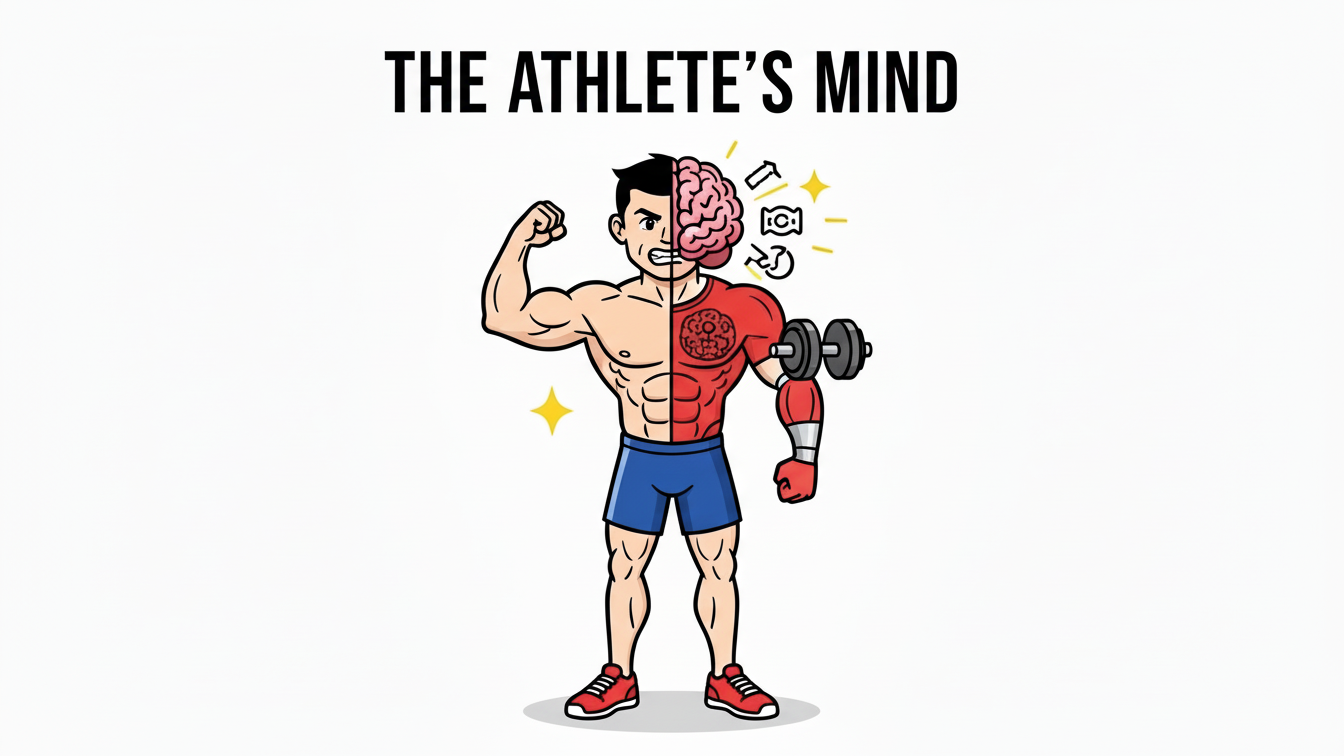
The discipline developed in training then begins to spill over into other areas of life. Someone who was once disorganized becomes more structured. Someone who procrastinated starts taking action. Someone who lacked confidence begins to assert themselves. This happens because training strengthens not only the body, but also the way a person sees themselves. When you prove to yourself that you can be consistent in something difficult, you automatically begin to believe you can be consistent in other things as well.
Perhaps the deepest point in the psychology of those who train every day is the understanding that life requires voluntary challenges. Involuntary problems already exist in abundance: bills, work, unexpected events, stress. Training is the chosen challenge. It’s controlled chaos. It’s the voluntary fight that prepares you for all the fights you didn’t choose. This choice builds a much more resilient mindset toward life.
Finally, there’s one trait that unites almost all of these people: quiet pride. Those who train every day rarely feel the need to brag. Because they know no one sees the full process. No one sees the days when laziness was overcome, the pain that was ignored, the bad workouts, the weeks of discouragement, the setbacks that were conquered. So they learn to recognize their own growth without needing applause. It’s an internal victory, personal and private, belonging only to those who lived the process.
In the end, the psychology of those who train every day isn’t about having a perfect body. It’s about building a mind so strong that you become the most reliable version of yourself. Training every day doesn’t just make you physically stronger. It makes you more aware, more disciplined, more present, and more in control of your own life.
If you’re already this type of person, congratulations. You’re part of a rare group. And if you’re just starting now, congratulations as well. That means you’re about to discover a side of yourself you may not even know exists yet.